


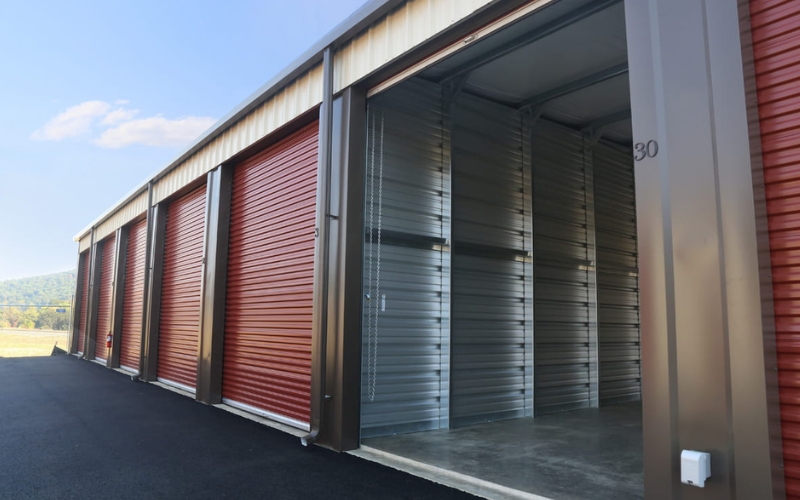
Self Storage For Cars: Protect Your Vehicle With The Right Storage Solutions
When you’re not using your car regularly, finding the right place to store it becomes essential. Whether it’s a vintage vehicle, a luxury car, or simply your daily driver that needs some downtime, keeping your vehicle in good condition requires more than just parking it in your driveway. Self storage for cars offers a convenient and protective solution, safeguarding your vehicle from the elements and potential damage while it’s not in use.
In this blog, we’ll explore the various benefits of car storage options, how to choose the right facility, and tips to ensure your vehicle stays safe.
Why Choose Self Storage for Your Car?
When your car isn’t in use, it’s exposed to various risks, from weather damage to vandalism. Using self storage for cars ensures your vehicle remains protected. Below are the main reasons why opting for a storage facility can benefit your car.
- Protection from the Elements: Your vehicle stays shielded from harsh weather conditions like rain, snow, and excessive sunlight.
- Security: Car storage units often come with advanced security features like CCTV, gated access, and alarm systems.
- Space-saving: Free up space at home by storing your vehicle elsewhere, especially if you have limited garage space.
- Preservation: Helps prevent rust, fading, and wear that occurs from sitting outside for long periods.
Types of Self Storage Options for Cars
Before choosing a storage unit, it’s essential to understand the different options available for vehicle storage. Here are the three most common types:
- Indoor Storage Units
These are fully enclosed units that offer the highest level of protection. Your car will be in a completely secure and climate-controlled environment. If you have a valuable or classic car, this is the best option to prevent damage from temperature fluctuations or moisture. - Covered Storage
Covered parking provides partial protection by sheltering your vehicle from rain and direct sunlight. This option is ideal for someone who needs more protection than outdoor parking but doesn’t require the full enclosure of an indoor unit. - Outdoor Storage
This is the most cost-effective option, but it offers the least amount of protection. While it’s great for short-term storage, outdoor parking leaves your car exposed to the elements. If you choose this option, consider using a high-quality car cover.
How to Choose the Right Car Storage Facility?
Selecting the right facility for vehicle storage is crucial to ensuring its safety. Here are the factors you should consider when looking for self storage for cars:
- Security Features: Look for facilities that offer security measures like 24-hour surveillance, gated entry, and personal access codes.
- Climate Control: If your car is sensitive to temperature changes, choose a storage unit with climate control to avoid issues like condensation and rust.
- Size of the Unit: Ensure the unit can comfortably accommodate your car. Most storage facilities offer various sizes, so select one that fits your vehicle perfectly.
- Accessibility: Consider the facility’s operating hours. If you need frequent access to your car, opt for a facility with flexible hours or 24/7 access.
- Reputation and Reviews: Read online reviews or get recommendations to ensure the facility is reliable and has a good track record.
Tips for Preparing Your Car for Storage
Before placing your vehicle in storage, there are a few key steps you should take to ensure it remains in optimal condition:
- Clean the Car Inside and Out: Dirt and grime can lead to damage over time. A clean vehicle also discourages pests from making their home inside.
- Change the Oil: Fresh oil helps prevent engine corrosion, especially when the car is stored for long periods.
- Fill the Gas Tank: A full tank of gas prevents moisture from accumulating inside the fuel tank, reducing the risk of corrosion.
- Disconnect the Battery: To avoid a dead battery, disconnect it or use a battery maintainer.
- Use a Car Cover: Even if you’re storing your car indoors, using a breathable car cover adds an extra layer of protection against dust and debris.
Benefits of Long-Term Car Storage
Storing your car for an extended period can save you from unwanted wear and tear, and it keeps your vehicle in top shape whenever you need it. Here are the key benefits of long-term self storage for cars:
- Preservation of Value: Especially for classic or luxury vehicles, proper storage helps maintain their market value.
- Reduced Maintenance Costs: A stored car requires less regular maintenance, which can save you time and money in the long run.
- Peace of Mind: Knowing your vehicle is safe, secure, and protected from the elements allows you to focus on other matters without worry.
Choosing the right self storage for cars is essential to keeping your vehicle in pristine condition when not in use. Whether you need long-term storage or a temporary solution, self storage provides a safe, secure, and convenient way to ensure your car stays protected. Remember to choose the storage option that best fits your needs, and follow the preparation tips to make sure your vehicle is ready for storage. When you select a reliable facility, you’ll have peace of mind knowing your car is well cared for.
FAQs
How long can I store my car in a storage unit?
You can store your car for as long as needed, as most storage facilities offer flexible month-to-month leases. Just ensure the facility has long-term storage options and maintenance guidelines for vehicles stored for extended periods.
Can I store a non-operational car in a self storage unit?
Yes, many storage facilities allow you to store non-operational vehicles. However, some may require proof of insurance or registration. It’s best to check with the specific facility for any regulations regarding non-operational vehicles.
Do I need insurance for my car while it’s in storage?
Yes, most storage facilities require proof of insurance for stored vehicles. Even if it’s not a requirement, having insurance is essential to protect your car against damage or theft while it’s in storage.